The John W. & Edna Wilson Mosley Scholarship aims to assist African American students from Aurora Public Schools (APS), Denver Public Schools (DPS), and Cherry Creek School District in attending their first year at the college, university, or another accredited post-secondary school of their choice.
Eligibility
- Be a graduating, Black or African American (defined by the U.S. Census) senior from Aurora Public Schools, Denver Public Schools, or Cherry Creek School District.
- Cumulative unweighted GPA of 2.5+
- Planning to attend a college, university, or other accredited post-secondary school in the upcoming academic year
Selection criteria
Applications will be reviewed based on:
- Financial need
- Academic performance
- Character
- Extracurricular activities and leadership
Award details
- Scholarship Range: $2,000
- Typical Number of Awards: 2
- This scholarship is a one-time award
- Award amounts may be used toward the recipient’s tuition and fees.
- All scholarships will be paid directly to a recipient’s post-secondary institution. Award disbursement is contingent upon the outside scholarship policies of a recipient’s post-secondary institution
- Award must be used for the upcoming academic year
How to apply
- Read through the eligibility to confirm you meet the requirements for the scholarship opportunity
- Log into TDF Scholarship Manager and apply for the John W. and Edna Wilson Mosley Scholarship
- Prepare and submit the following items:
- List of all extracurricular activities, community volunteering opportunities, and paid/unpaid work experiences you have had
- Transcript
- Email address for one recommendation
- One academic or community reference
- Response to the following prompt(s):
- Please describe what you would like to study in college, what inspired your interest in this area, and what you hope to achieve with this degree.
- Where and how do you show leadership in your day-to-day activities?
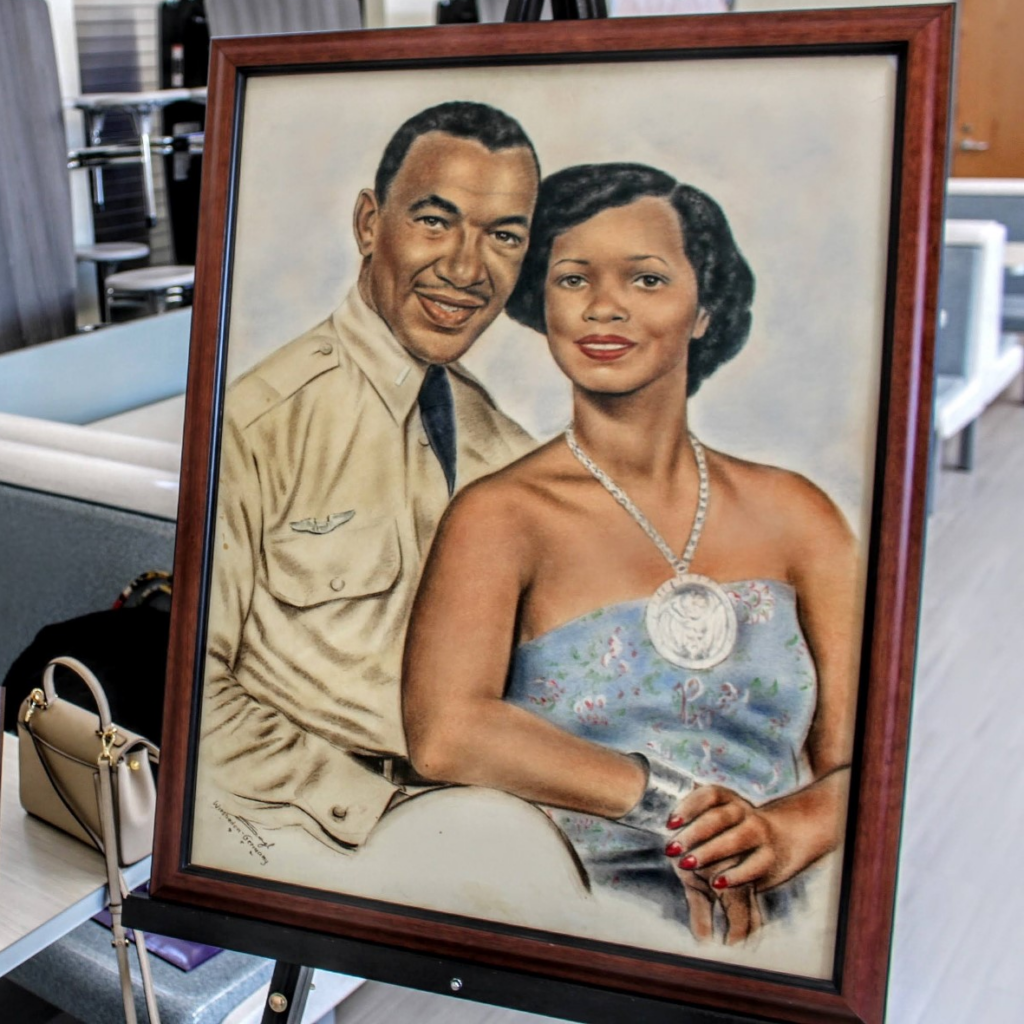
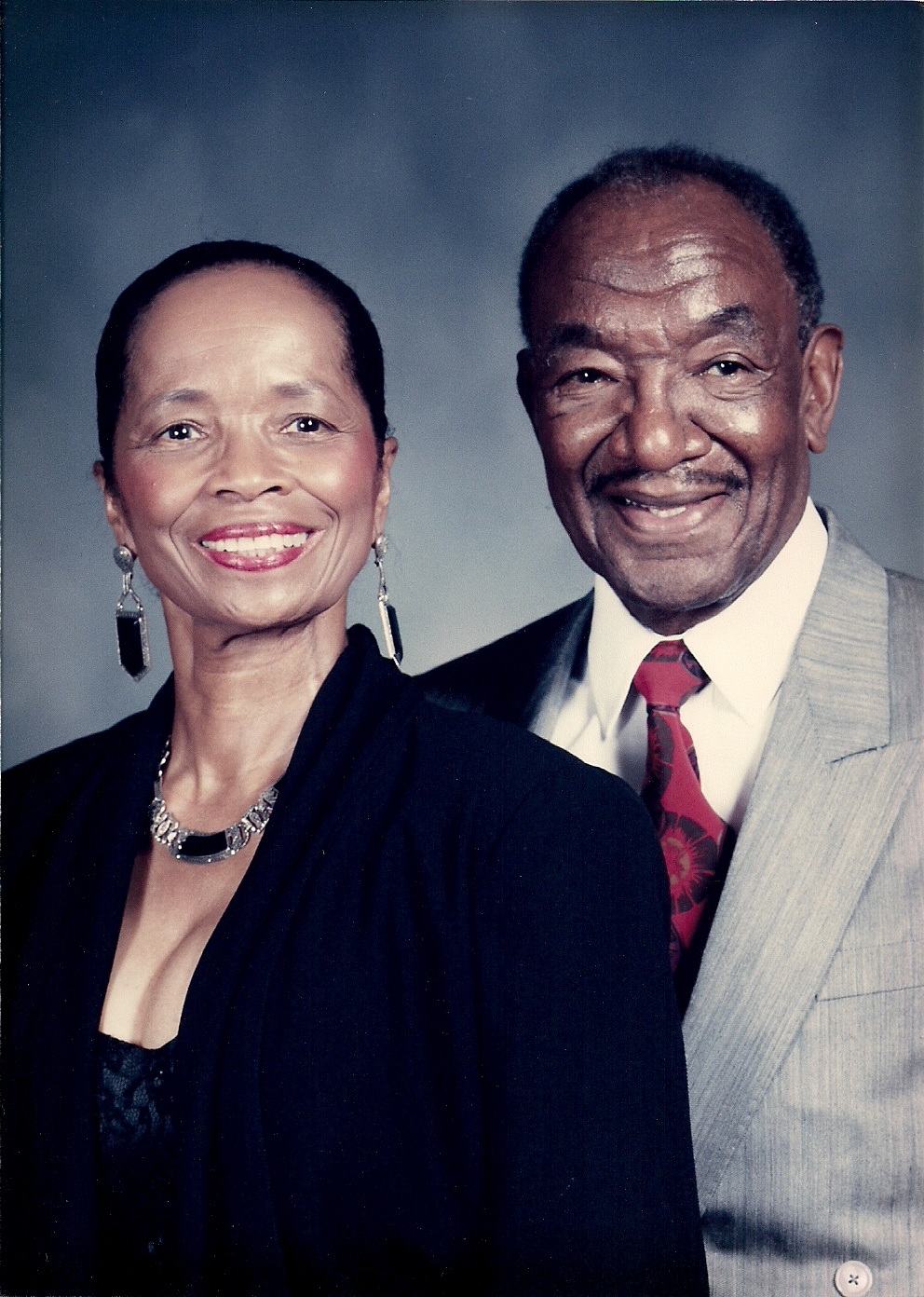 When John Mosley enrolled at Colorado State University (CSU) in 1939, he managed to cover his first year of tuition with an academic scholarship. But as an African-American, he faced many obstacles – he was barred from living in college residence halls, encountered racism and bigotry on campus, and was denied service at local restaurants.